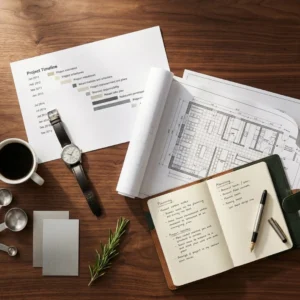
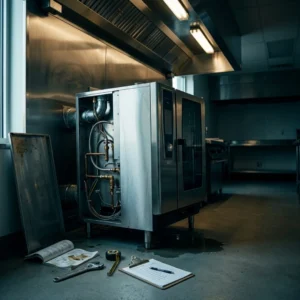
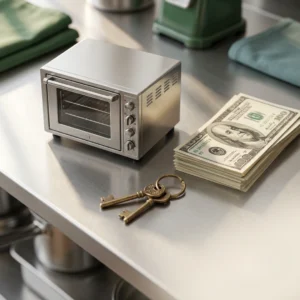
Opening a restaurant is a major investment. From the kitchen layout and cooking equipment to refrigeration, prep stations, and smallwares, every purchasing decision can have a direct impact on your restaurant’s efficiency, food quality, labor costs, and long-term profitability.
Restaurant equipment is not something you want to buy simply because it looks good, has a great price, or is available immediately. The right equipment should support your menu, fit your space, meet health and safety requirements, and withstand the demands of a busy commercial kitchen.
Whether you are opening a new restaurant, renovating an existing operation, or replacing aging equipment, this guide will help you make smarter purchasing decisions.
Start With Your Menu
Before you start shopping for equipment, start with your menu.
Your menu should drive your equipment list, not the other way around. Consider how each dish is prepared, cooked, stored, and served. A restaurant with a high-volume pizza menu will have very different equipment requirements than a fine-dining restaurant, bakery, fast-casual concept, or coffee shop.
Create a list of the cooking processes required for your menu. Do you need to grill, fry, sauté, bake, steam, roast, or cook sous vide? How much refrigeration and freezer space will you need? What ingredients require dedicated prep areas?
Understanding your menu will help you avoid two common mistakes: purchasing equipment you rarely use and failing to purchase equipment you actually need.
Understand Your Available Space
Commercial kitchen equipment can be significantly larger than residential equipment, so measuring your space is critical.
Before purchasing anything, confirm the dimensions of your kitchen and consider doorways, hallways, elevators, loading docks, and other access points. Equipment may technically fit inside your kitchen but still be impossible to get through the building.
You also need to think about workflow.
A well-designed kitchen should allow employees to move efficiently between receiving, storage, preparation, cooking, plating, and dishwashing. Equipment should be positioned according to how your team actually works.
Think beyond square footage. Consider clearances, ventilation, plumbing, electrical requirements, gas connections, and access for maintenance.
Know Your Utility Requirements
One of the most expensive mistakes a restaurant can make is purchasing equipment without understanding the utility requirements.
Every piece of equipment should be evaluated for its electrical, gas, water, drainage, and ventilation requirements.
Before placing an order, verify:
- Voltage and electrical requirements
- Amperage
- Gas type and BTU requirements
- Water supply requirements
- Drainage requirements
- Ventilation and hood requirements
- Required clearances
- Local code requirements
A piece of equipment that requires a utility upgrade can quickly turn a seemingly affordable purchase into a much larger project.
Your contractor, architect, engineer, kitchen designer, or equipment professional can help determine what your building can support before you commit to a purchase.
Choose Equipment Based on Volume
Not every restaurant needs the largest or most powerful equipment available.
The right equipment should match your anticipated volume.
A small café serving 100 customers per day may not need the same refrigeration capacity or cooking equipment as a high-volume restaurant serving 500 guests.
Think about both your average and peak volume. Lunch rushes, dinner service, weekends, holidays, catering, and special events can place very different demands on your kitchen.
Undersizing equipment can create bottlenecks, increase labor costs, and negatively affect service. Oversizing equipment can consume valuable space, increase utility costs, and tie up capital unnecessarily.
The goal is to find the right balance between capacity, efficiency, and cost.
Consider Energy Efficiency
Energy-efficient equipment may have a higher upfront price, but it can reduce operating expenses over the life of the equipment.
Look for equipment designed to use less electricity, gas, and water without sacrificing performance.
Refrigeration, ovens, fryers, dishwashers, ice machines, and ventilation systems can all contribute significantly to a restaurant’s utility expenses.
When comparing equipment, don’t look only at the purchase price. Consider the total cost of ownership.
Ask:
How much will this equipment cost to operate?
How often will it require maintenance?
What is the expected lifespan?
Are replacement parts readily available?
How much downtime could a failure create?
The cheapest option is not always the most economical option.
New vs. Used Restaurant Equipment
Used equipment can be an attractive option, particularly for restaurants operating with a limited startup budget. However, it is important to understand what you are actually buying.
A lower purchase price may come with higher maintenance costs or a shorter remaining lifespan.
When considering used equipment, inspect its condition and ask about its service history. Check model numbers, age, warranties, replacement parts, and whether the equipment meets current code requirements.
For certain critical pieces of equipment, buying new may provide greater peace of mind and reliability.
There is no universal answer. The right decision depends on your budget, the equipment category, expected usage, and the condition of the available equipment.
Don’t Forget Refrigeration and Storage
Cooking equipment often gets the most attention, but refrigeration and storage are just as important.
Your restaurant may need reach-in refrigerators, undercounter refrigeration, prep tables, freezers, walk-ins, beverage coolers, or specialized storage.
Think about where ingredients will be received, stored, prepped, and accessed during service.
Refrigeration capacity should also reflect your purchasing and inventory practices. If you receive large deliveries less frequently, you may need more storage capacity than a restaurant receiving smaller deliveries multiple times per week.
Organization matters, too. Equipment that keeps ingredients accessible and properly stored can improve kitchen efficiency and help reduce food waste.
Prioritize Reliability and Serviceability
Restaurant equipment operates in a demanding environment. Equipment may run for hours every day, often under intense conditions.
Reliability matters.
When comparing brands and models, investigate the availability of replacement parts and qualified service technicians in your area. Ask about warranties and what is actually covered.
A broken oven during dinner service isn’t simply an equipment problem. It can become a revenue problem.
Consider how easy the equipment is to clean, maintain, and repair. Features that make daily maintenance easier can save your team significant time over the life of the equipment.
Don’t Ignore Smallwares
It is easy to focus on major equipment and forget about the hundreds of smaller items required to operate a kitchen.
Pots, pans, knives, cutting boards, storage containers, mixing bowls, utensils, thermometers, shelving, racks, carts, and other smallwares all play an important role in daily operations.
Create a complete equipment and smallwares list before opening or renovating your kitchen. This helps prevent last-minute purchases and allows you to budget appropriately.
Think About Employee Efficiency
Good equipment should make your employees’ jobs easier, not harder.
Consider ergonomics, accessibility, cleaning requirements, and workflow when selecting equipment.
If employees have to constantly walk across the kitchen to retrieve ingredients, transfer food between stations, or access frequently used equipment, those extra steps add up.
Efficient kitchens reduce unnecessary movement and allow employees to spend more time doing productive work.
Equipment selection is therefore not just a purchasing decision. It is an operational decision.
Create a Realistic Equipment Budget
Your equipment budget should account for more than the equipment itself.
Remember to consider:
- Delivery
- Installation
- Freight
- Utility upgrades
- Ventilation
- Plumbing
- Electrical work
- Permits
- Accessories
- Smallwares
- Warranty and service
- Future maintenance
A $10,000 piece of equipment can cost considerably more once installation and infrastructure requirements are included.
Build your budget with the complete project in mind.
Work With a Restaurant Equipment Professional
Restaurant equipment purchasing can become complicated quickly, especially when you are coordinating multiple vendors, contractors, manufacturers, delivery schedules, and installation requirements.
Working with an experienced restaurant equipment professional can help simplify the process.
A knowledgeable equipment partner can help you evaluate your menu, kitchen layout, budget, equipment specifications, and operational needs. They can also help identify potential conflicts before equipment arrives at the jobsite.
Most importantly, they can help you purchase equipment based on what your restaurant actually needs rather than simply selling you what is available.
The Bottom Line
Buying restaurant equipment is a long-term investment in your business.
The right equipment can improve kitchen efficiency, support consistent food quality, reduce labor and operating costs, and help your team deliver a better guest experience. The wrong equipment can create expensive problems that continue long after the purchase has been made.
Start with your menu. Understand your space and utilities. Consider volume, workflow, energy efficiency, reliability, maintenance, and total cost of ownership. And don’t underestimate the value of working with an experienced restaurant equipment partner.
At Restaurant Pro Shop, the goal is to help restaurant owners and operators make informed equipment decisions based on their unique needs, budget, concept, and kitchen.
Because the best restaurant equipment isn’t necessarily the most expensive or the newest. It’s the equipment that works for your restaurant, your team, and your customers.