Few moments are more exciting for a restaurant owner than seeing a vision come to life.
After months of planning, design meetings, permitting, financing, and construction, the finish line finally appears to be in sight. The dining room is taking shape, kitchen equipment is on order, staff recruitment has begun, and opening day is circled on the calendar.
Then reality sets in.
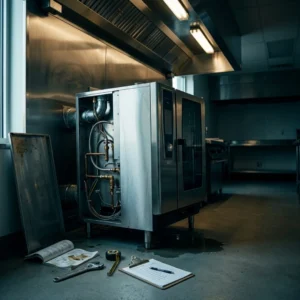
A delayed equipment shipment pushes back installation. A utility connection is not ready when equipment arrives. A final inspection uncovers an issue that requires correction before approval can be granted.
What seemed like a straightforward countdown suddenly becomes a race against time.
For many restaurant owners and construction teams, the most stressful phase of a project is not the beginning. It is the final few weeks before opening. Success often depends on how well equipment deliveries, installations, inspections, and operational readiness are coordinated.
Understanding how these moving pieces fit together can help restaurant teams avoid costly delays and open with confidence.
The Challenge: Everything Must Happen in the Right Order
Opening a restaurant is unlike many other construction projects.
A commercial kitchen depends on multiple systems working together simultaneously. Equipment must connect to electrical service, plumbing, gas lines, ventilation systems, refrigeration systems, and fire suppression components.
Each of these elements may involve different contractors, inspectors, suppliers, and schedules.
The challenge is that every activity depends on another task being completed first.
Equipment cannot be installed before utilities are ready.
Inspections cannot occur until installations are complete.
Staff training often depends on functioning equipment.
Food deliveries should not arrive before refrigeration systems are operational.
When one piece falls behind, the entire schedule can shift.
The key is understanding that opening day is not simply a construction milestone. It is a carefully coordinated operational launch.
Start Equipment Planning Earlier Than You Think
One of the most common causes of restaurant delays begins long before equipment arrives.
Many owners assume equipment procurement can happen late in the project because installation occurs near the end of construction.
In reality, equipment planning should begin early in the design and construction process.
Lead times vary significantly depending on manufacturers, product availability, custom fabrication requirements, and market conditions.
Some specialty items may require months to arrive.
Waiting too long to finalize equipment selections can create scheduling challenges that are difficult to overcome later.
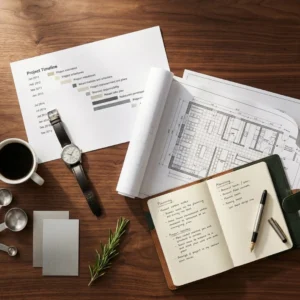
Successful teams develop an equipment schedule that includes:
- Equipment selection deadlines
- Order placement dates
- Manufacturing lead times
- Delivery windows
- Installation dates
- Testing and startup requirements
The earlier these milestones are identified, the easier it becomes to coordinate the rest of the project.
Coordinate Deliveries With Site Readiness
Receiving equipment too late creates problems.
Receiving equipment too early can create different challenges.
Commercial kitchen equipment often requires secure storage, protection from damage, and adequate access for installation crews.
If equipment arrives before flooring is complete, utilities are connected, or work areas are accessible, valuable time and resources may be spent moving equipment multiple times.
This can increase the risk of damage while creating unnecessary labor costs.
Before deliveries are scheduled, project teams should confirm:
- Construction areas are accessible
- Floors and finishes are protected
- Utility rough-ins are complete
- Storage space is available if needed
- Installation crews are prepared to receive equipment
Proper timing reduces confusion and keeps the project moving efficiently.
Create a Detailed Installation Sequence
One of the biggest mistakes restaurant teams make is assuming equipment installation happens all at once.
In reality, installation is often a carefully sequenced process.
Certain equipment must be installed before others. Utility connections may require inspections before equipment can be fully operational. Ventilation systems may need testing before cooking equipment can be commissioned.
Without a detailed installation plan, multiple trades can end up competing for space in the kitchen at the same time.
This creates congestion, scheduling conflicts, and unnecessary delays.
A coordinated installation schedule should identify:
- Delivery dates
- Equipment placement order
- Utility connection requirements
- Testing procedures
- Startup schedules
- Inspection milestones
When everyone understands the sequence, the final phase of the project becomes much more predictable.
Do Not Wait Until the End to Prepare for Inspections
Many restaurant teams view inspections as the final hurdle before opening.
The reality is that inspection readiness should be part of the planning process from the beginning.
Health departments, fire officials, building inspectors, and other regulatory agencies may all play a role in approving a restaurant for occupancy and operation.
Each jurisdiction has its own requirements and scheduling procedures.
Waiting until construction is complete to begin coordinating inspections can create unexpected delays.
Instead, project teams should identify inspection requirements early and maintain communication with the appropriate authorities throughout the project.
Questions worth addressing include:
- What inspections are required?
- How much notice is needed to schedule them?
- Are multiple agencies involved?
- What documentation must be available?
- What systems need to be operational before inspections occur?
Preparation helps prevent last-minute surprises that can delay opening day.
Build Contingency Time Into the Schedule
Every restaurant project encounters unexpected challenges.
A shipment may arrive late.
A piece of equipment may require replacement parts.
An inspection may identify corrective work.
Weather may impact construction activities.
The most successful project schedules acknowledge that not everything will go exactly as planned.
Rather than creating a schedule with no flexibility, experienced teams build contingency time into critical milestones.
This buffer helps absorb unexpected disruptions without jeopardizing the target opening date.
Owners who plan for the possibility of minor setbacks are often better positioned to stay on track than those relying on a perfect sequence of events.
Think Beyond Construction Completion
Many restaurant owners focus intensely on reaching substantial completion.
While construction completion is an important milestone, it is not the same as being ready to operate.
A successful opening requires additional steps, including:
- Equipment testing and commissioning
- Staff training
- Inventory stocking
- Technology setup
- Operational procedures
- Soft opening activities
These activities require time and should be incorporated into the overall project schedule.
A restaurant may technically be finished, but still need days or weeks of preparation before welcoming guests.
Recognizing this distinction helps owners avoid unnecessary pressure during the final stages of the project.
A Well-Planned Opening Creates Momentum
Opening a restaurant is one of the most important moments in a business’s life cycle.
It sets the tone for customer experiences, employee confidence, and operational success.
While construction, design, and branding all play critical roles, timing often becomes the deciding factor between a smooth launch and a stressful one.
By planning equipment procurement early, coordinating deliveries carefully, sequencing installations properly, preparing for inspections in advance, and allowing time for operational readiness, restaurant teams can reduce uncertainty and maintain momentum.
The goal is not simply to finish construction.
The goal is to open the doors with confidence, knowing the kitchen is ready, the team is prepared, and the restaurant is positioned for success from day one.